
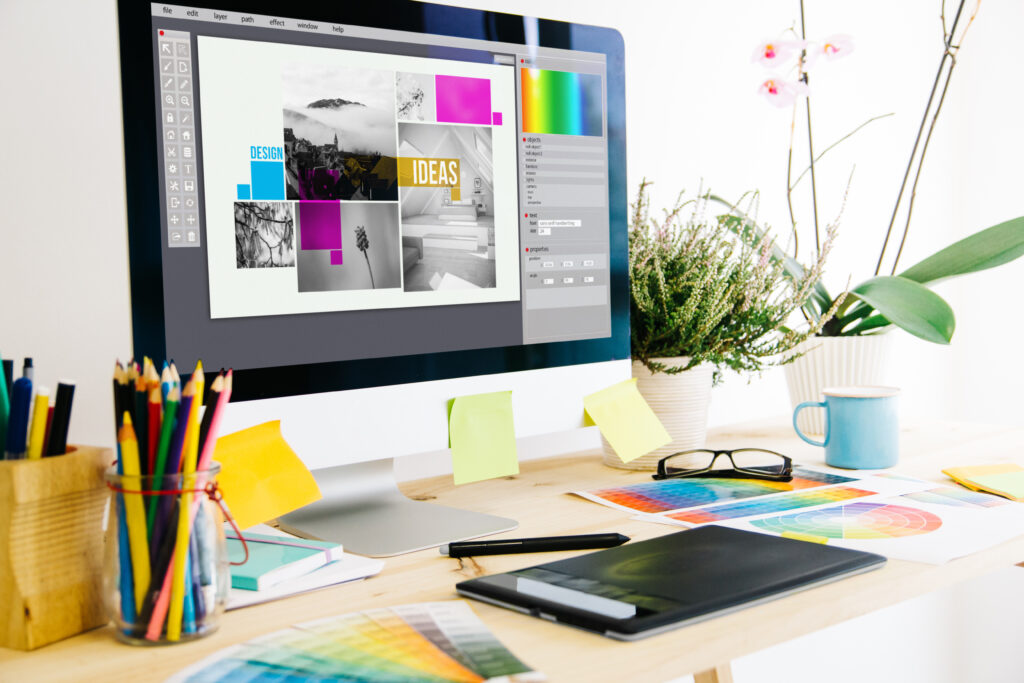
Digital product design is the process of creating the visual and functional face of digital resources, such as websites, mobile applications, application interfaces, etc. It is a complex activity that combines elements of design, user psychology, and engineering, with the aim of creating effective and interactive products.
Digital product design involves defining a visual concept, developing interface elements, and creating a convenient and intuitive user experience. It is important to consider the needs and expectations of the target audience, ensure logical and easy interaction with the product, and create a design that reflects the company's brand identity.
During the design process of digital products, developers consider various aspects, including colors, fonts, composition, animation, and other elements that contribute to creating an attractive and functional interface. In addition to the visual aspect, design also deals with issues of interaction, the quality of information display, and ensuring the best user experience.
Project aim: to ensure a successful combination of aesthetics and functionality in digital environments, which helps attract, retain and satisfy users, as well as improve results and interaction with business platforms and other digital products.
Project goals:
- Visual appeal. Create an aesthetically appealing design that attracts users' attention and makes the product enjoyable to use.
- Convenience and ease of use. Create an intuitive and easy-to-understand interface that allows users to interact effectively with the product without unnecessary effort.
- Improving customer experience. Provide a positive experience of interacting with the product, which helps to attract users and maintain their loyalty.
- Solving user problems. Ensure the effectiveness of the product in solving specific tasks and objectives that users set for themselves.
- Brand identity. Reflect the essence of the company through product design, emphasize its values, style, and uniqueness.
- Effective communication. Provide clear and effective communication to users using graphics, text, interactive elements, and animation.
- Adaptation to different devices. Ensure design adaptability to different screen sizes and devices, including mobile phones, tablets, computers, etc.
- Increase conversion. Optimize the design to achieve higher conversion of targeted user actions, such as ordering, registering, or subscribing.
- Ensuring competitiveness. Create a design that meets current trends and user requirements, ensuring the competitiveness of the product in the market.
Solutions:
To achieve the goals set in the design of digital products, various solutions and techniques were used. Here are some examples:
- Ergonomics and navigation. Taking into account the principles of ergonomics helps to create a convenient, intuitive interface. Clear and logical navigation simplifies the movement of users through the product.
- Appropriate choice of colors. The color palette should match the brand and the emotional perception of users. The right choice of colors can attract attention, create a mood, and highlight important elements.
- Fonts and typography. Font choice and size have an impact on readability and the overall look of a product. Using the right typography helps convey information clearly and concisely.
- Visual effects and animation. The use of animation and visual effects can attract users' attention, create a sense of dynamism, and add interactivity.
- Minimalism and simplicity. The principle of minimalism helps to focus on the main elements, avoid unnecessary complexity, and ensure ease of use.
- Adaptive design. Creating a design that adapts to different screen sizes and devices ensures a positive user experience on any device.
- User psychology. Taking into account the psychological aspects of user behavior helps create a product that meets the needs and expectations of users.
- Analytics and tracking. Using analytics and tracking tools allows you to evaluate user interaction with the product, identify weaknesses, and improve the design based on the data obtained.
Together, these solutions contributed to the creation of digital product designs that meet the customer's goals and provide users with a positive interaction experience.

Results:
During the cooperation, positive results were achieved in the field of digital product design. The company ensured the creation of effective and visually attractive digital products that not only meet all the requirements, but also provide a high level of user satisfaction. A successful combination of ergonomics, visual appeal and convenience led to an increase in the popularity and conversion of products. Support for adaptive design made it possible to ensure a consistently high quality of interaction on different devices.
* According to the confidentiality agreement, specific data and information related to the client and his project are not disclosed in accordance with the signed agreements.
We offer the best solutions in the industry
Do not waste your time on selecting an artist, contact the best