

Digital products play a key role in the everyday lives of users. However, not all of them are successful in the market. One of the most important factors influencing the popularity and effectiveness of a digital product is its UX/UI design. It is this aspect that determines how convenient, understandable and attractive it will be for users.
Definition of terms: what is UX/UI design
UX (User Experience) or user experience — is the set of impressions that a user receives when interacting with a product. It is important to understand that UX includes not only the emotional aspect, but also the functionality, logic, and ease of use of the product.
UI (User Interface) or user interface — is the visual part, which includes graphic elements, button layout, color scheme, and other components that shape the appearance of the product. UI is part of UX and ensures user interaction with the product.
UX and UI design are closely related. Good UX provides a positive user experience, while good UI makes a product aesthetically pleasing and easy to use.
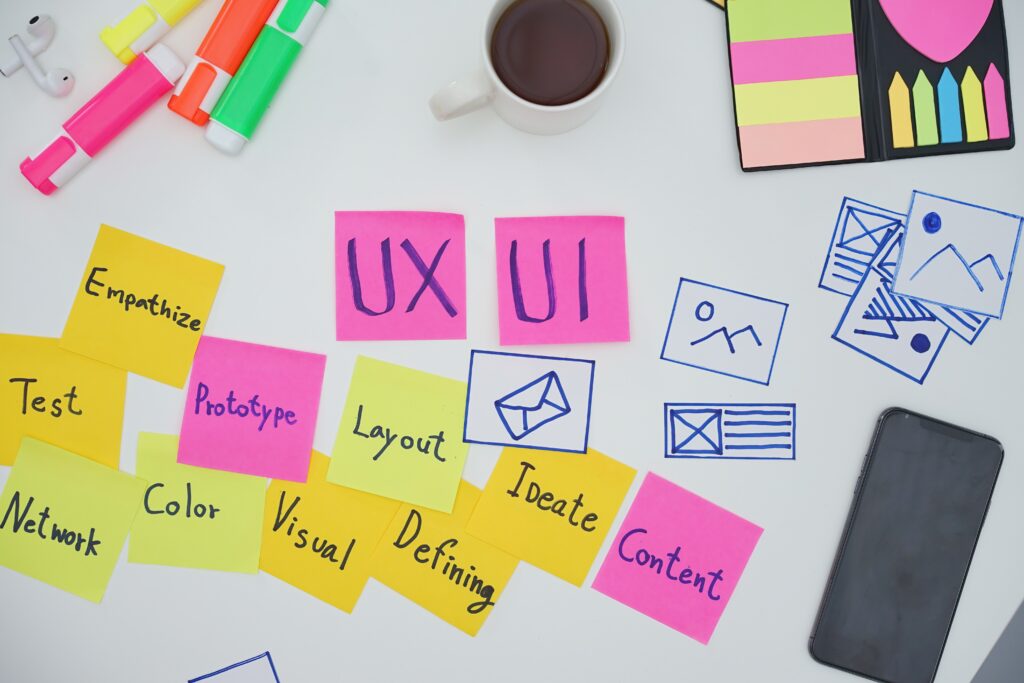
The importance of UX/UI design at different stages of product development
At each stage of UX/UI development, design performs certain functions that collectively affect the final result:
- Research and analytics. The first step in developing any product is to research user needs. UX design plays a crucial role at this stage, because it is through analyzing user behavior and needs that you can create a product that meets their expectations. For example, conducting surveys, creating user personas, and customer journey maps help you understand how users will interact with the product.
- Prototyping and testing. The next step is to create prototypes and test them. UI design at this stage ensures the clarity and usability of the interface. Prototyping allows you to try out different design options and identify potential problems before the product is implemented. User testing helps to get feedback and improve the interface, making it as convenient and understandable as possible.
- Implementation. During the product implementation phase, it is important that the UX/UI design meets user expectations and is ready for large-scale use. A user-friendly interface and positive user experience contribute to the rapid adaptation of the product in the market, increase customer satisfaction, and promote user retention.
UX/UI design plays a critical role at every stage of product development. Implementing a well-thought-out design ensures that the product is ready for scale, adapts quickly to the market, and ensures user loyalty.
The impact of UX/UI design on user experience
User experience is a key factor in the success of digital products. Users quickly assess the usability and clarity of an interface, and if they encounter difficulties, this can negatively affect their opinion of the product. Good UX/UI design helps create a positive experience, which in turn increases user loyalty and encourages them to use the product again. On the other hand, design flaws can lead to customer loss and product failure in the market.
Here are some statistics that highlight the importance of UX/UI design:
- 70% of small businesses do not invest in UX design, which leads to low conversion and loss of potential customers.
- 57% of users say they don't recommend businesses with poor mobile site design.
- 94% first impression about a site is related to its design, making visual appeal a key factor.
- 88% of online users do not return to the site after a bad experience with it.
- 80% of the time users waste time working with interfaces that do not provide a good user experience, leading to frustration and site abandonment.
- 73% of companies, who invest in UX improvements, see conversion increases of over 200%.
These statistics demonstrate how important it is to create user-friendly, fast, and aesthetically pleasing interfaces to succeed in the digital environment.

Cases of successful digital products
Examples of successful products such as Apple, Airbnb, and Slack demonstrate the importance of having a thoughtful UX/UI design. Apple has always put user experience first, creating intuitive interfaces and user-friendly products. Airbnb has emphasized the ease of use of its service, ensuring a pleasant and seamless experience for its users. Slack has achieved success due to its user-friendly interface and easy integration with third-party services, which greatly simplifies communication in work groups.
On the other hand, it is worth mentioning some unsuccessful examples. For example, Windows Vista, which quickly lost popularity due to its poor interface and performance issues, highlights the importance of UX/UI design in the success or failure of a product.
Trends and future of UX/UI design
Current trends in UX/UI design reflect the development of technology and changing user expectations. Here are some of the most relevant trends:
- Dark mode. It is becoming increasingly popular due to its benefits, such as reducing eye strain and reducing power consumption on devices with OLED screens. In addition, it adds a modern and stylish look to interfaces, which attracts many users.
- Microanimations. Help users navigate the interface better by providing visual cues and ensuring a smoother and more enjoyable experience. They can be used to indicate interactions, confirm actions, or simply add dynamism to the interface.
- Personalization. Thanks to user data and machine learning, personalization is becoming increasingly important. Interfaces adapt to user behavior and needs, providing a personalized experience and increasing satisfaction.
- Voice interface. With the rise of voice assistants like Siri, Alexa, and Google Assistant, voice interfaces are becoming an important aspect of UX. They allow users to interact with products and services using voice commands, making them more convenient to use, especially in mobile environments.
- Neural networks and artificial intelligence. Artificial intelligence and machine learning allow for the creation of interfaces that adapt to the individual needs of users, offering personalized recommendations and improved search engines. Neural networks are also used to automate the design process.
- Minimalism and simplicity. Minimalist design remains a hot trend as it allows users to focus on the main content and avoid information overload. Simple and clean interfaces with a minimum number of elements allow for better clarity and usability.
- 3D elements and augmented reality (AR). 3D graphics are becoming increasingly popular in web design, adding depth and realism to interfaces. Augmented reality also opens up new possibilities for UX, allowing users to interact with products in a virtual environment before making a purchase.
- Accessibility. Designers are increasingly taking into account the needs of people with disabilities, making products accessible to a wider audience. This includes using appropriate color schemes, support for screen readers, and other tools that make the interface easier to use.
- Картковий дизайн. Представляє інформацію у вигляді окремих блоків і зберігає популярність завдяки своїй універсальності та зручності у сприйнятті інформації. Він дозволяє легко організувати контент і створювати адаптивні інтерфейси, що однаково добре виглядають на будь-якому пристрої.
- Creative typography. Unusual fonts and typography attract attention and create a unique interface style. Using original fonts combined with images or animations allows you to highlight key messages and make the site more attractive.
These trends reflect users' desire for intuitive, personalized, and visually appealing experiences.
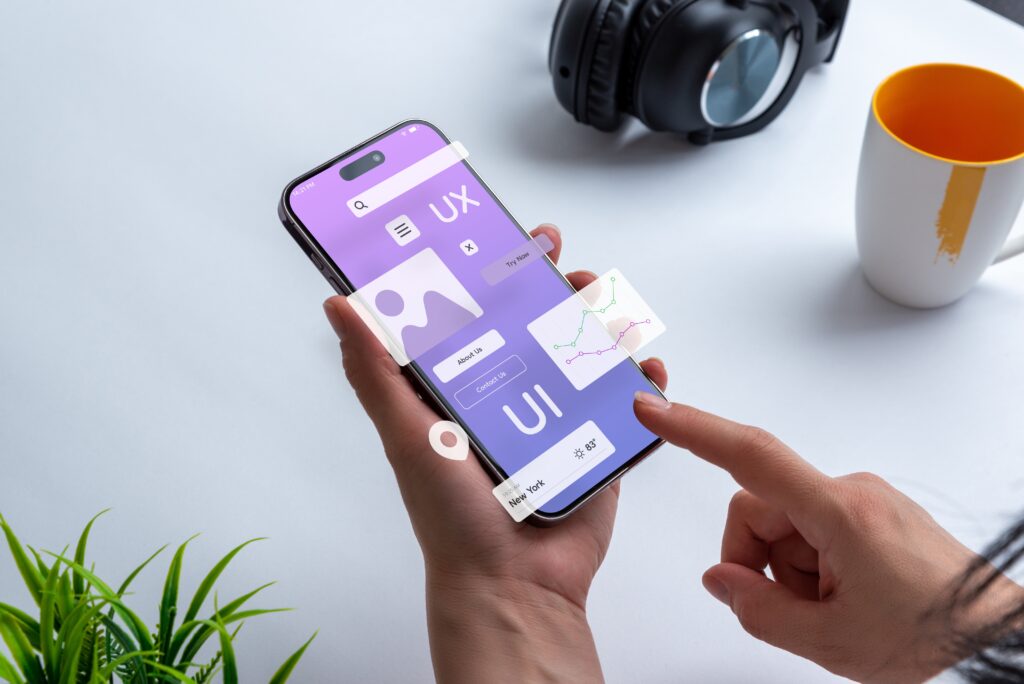
The future of UX/UI design is to integrate technology even more deeply into the user experience, making it natural and less intrusive. In the future, design will focus on even greater personalization, integration with artificial intelligence, and an increased focus on accessibility. It is expected that voice and gesture interfaces will develop, the use of augmented and virtual reality will increase, as well as increasing the speed and efficiency of interaction. Design will become even more minimalist and user-friendly, providing an intuitive and seamless experience across platforms.
UX/UI design is a critical element in creating successful digital products. It ensures not only aesthetic appeal, but also convenience and clarity of use of the product. Successful design contributes to user engagement and retention, which ultimately determines the success of the product in the market.
